The AI-Native EHR Built for Clinicians
AI has entered every EHR homepage. But very few platforms have run it long enough to show what it actually changed. OmniMD has. Book a demo and
watch it work on your own charts.
12000+
Providers on the Platform
20+
Specialities supported
20+
Years in healthcare tech
600+
Clinics on the platform
Trusted by Practices Running This System Today

After comparing many EMRs, OmniMD was the best software for my new clinic
Dr. Dawn Walker
D.O., Walker Family Medicine

OmniMD’s EHR and Billing software has truly streamlined our operations.
Brad Paley
Clinical Director, Solid Sobriety

How OmniMD ‘AI-Powered EHR Software’ Works

Before the patient arrives
AI Front Desk
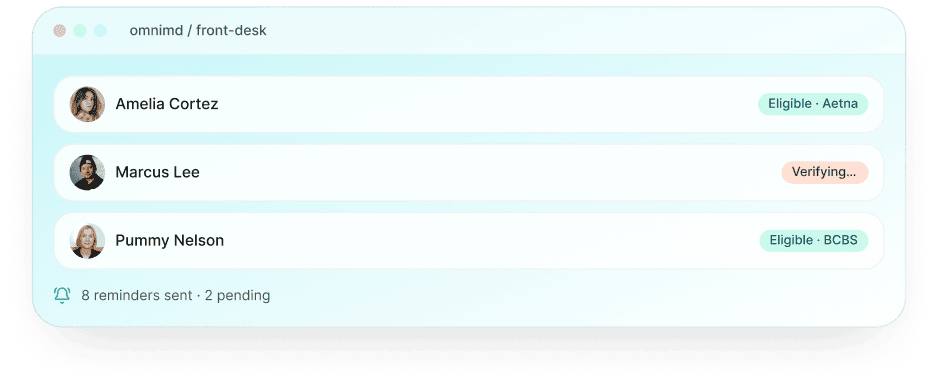
The visit starts before check-in. OmniMD’s AI Front Desk
verifies insurance eligibility automatically, flags anything missing before the patient walks in, and handles scheduling and reminders without a staff member touching the phone.

At check-in
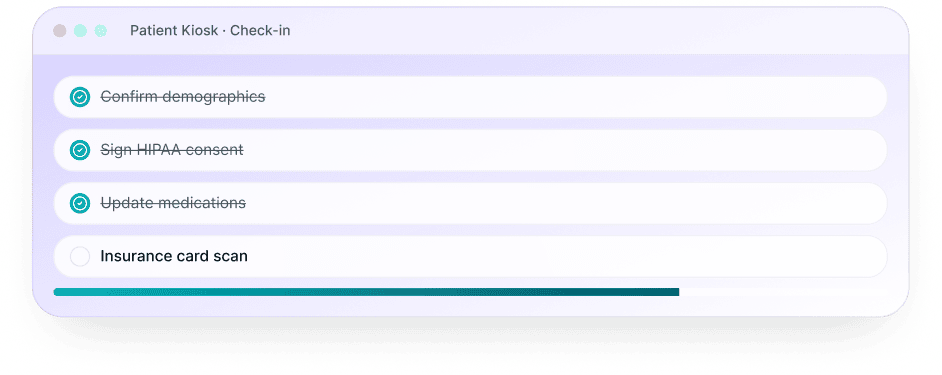
Patient Kiosk and Health Portal
The patient confirms details, signs forms, and updates
demographics through a self-service kiosk, or does the same from home through the patient portal beforehand. Either way, it lands directly in the same chart the provider opens next.

During the visit
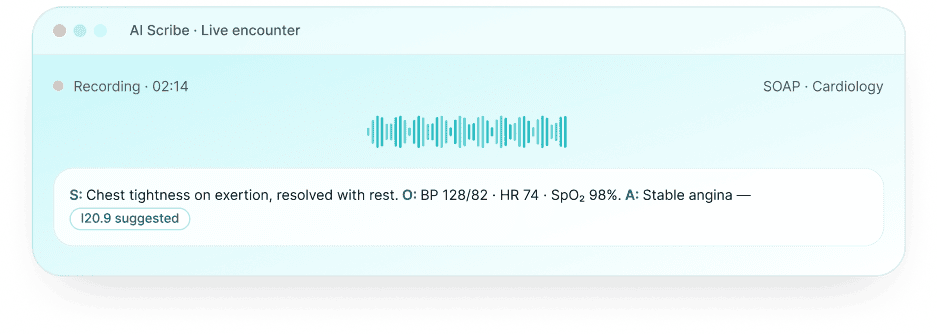
AI Charting
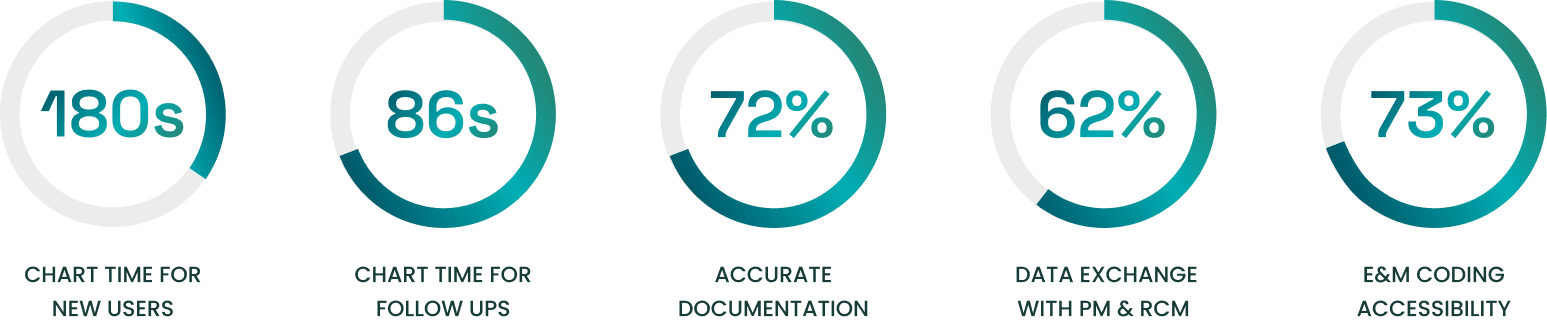
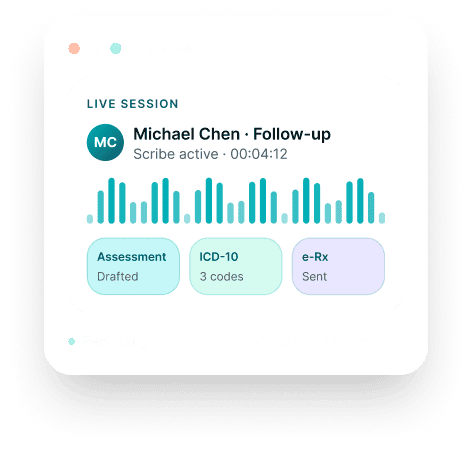
The provider talks with the patient. OmniMD’s native AI Medical Scribe listens, drafts a structured, specialty-specific note in real time, and populates the right fields for that specialty’s documentation standard. Average provider review time: 45 to 90 seconds, against 5 to 8 minutes for manual notes.

At the point of care
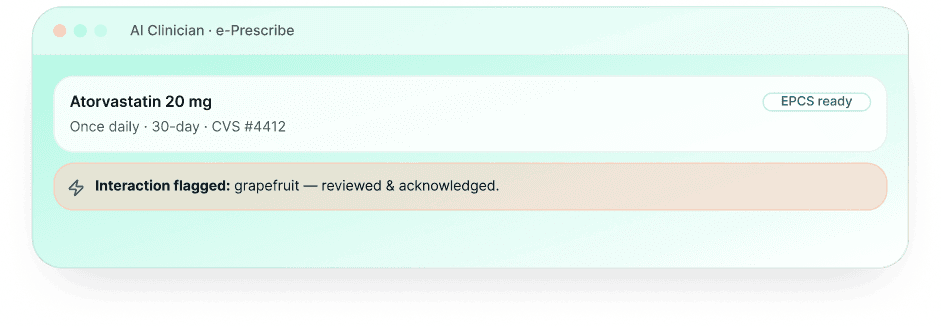
AI Clinician and e-Prescribing
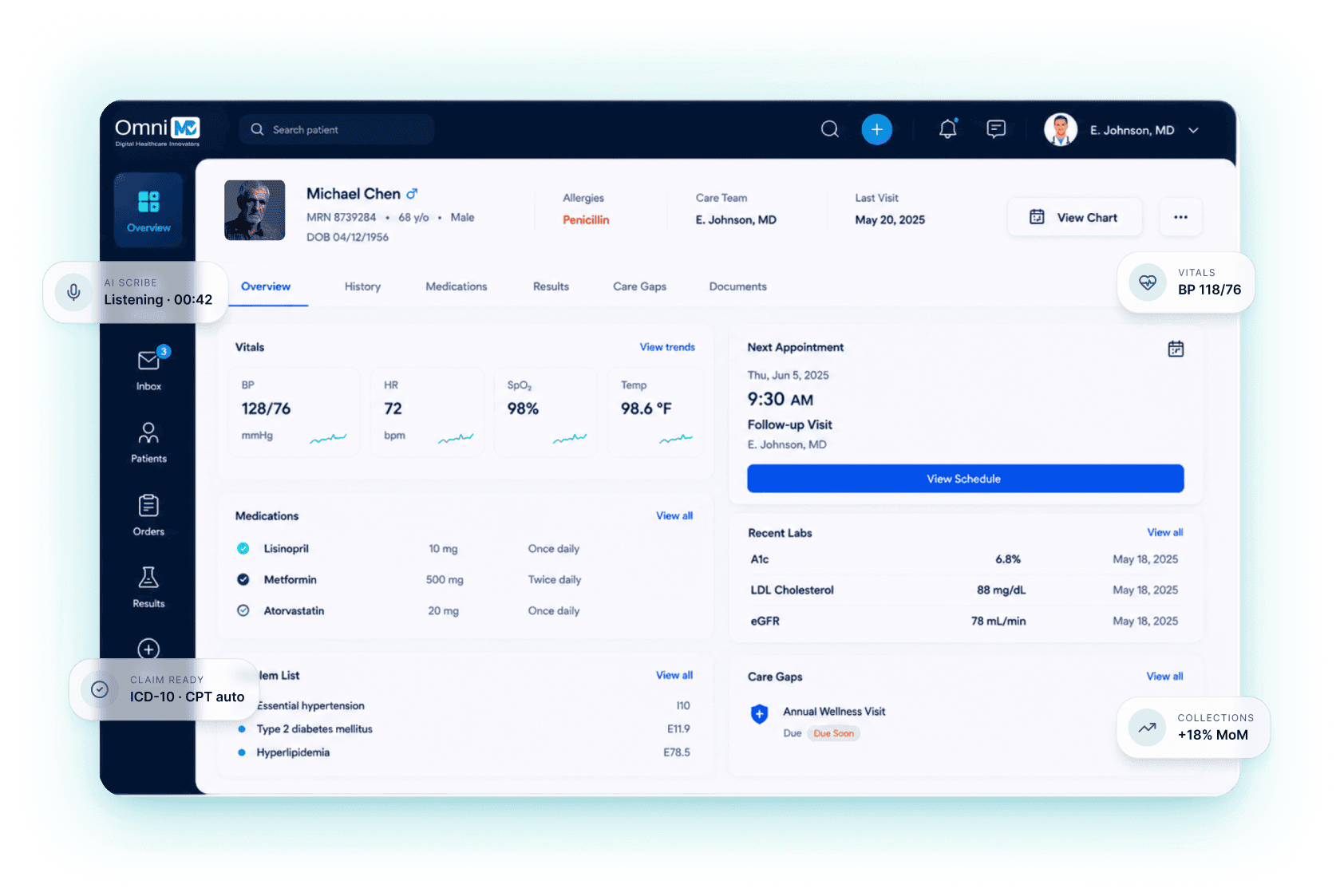
While documenting, AI Clinician surfaces relevant history, flags interaction and allergy risks, and helps the provider order and prescribe without leaving the chart. e-Prescribing, including EPCS for controlled substances, sends the prescription directly to the pharmacy from the same screen.

The moment the visit ends
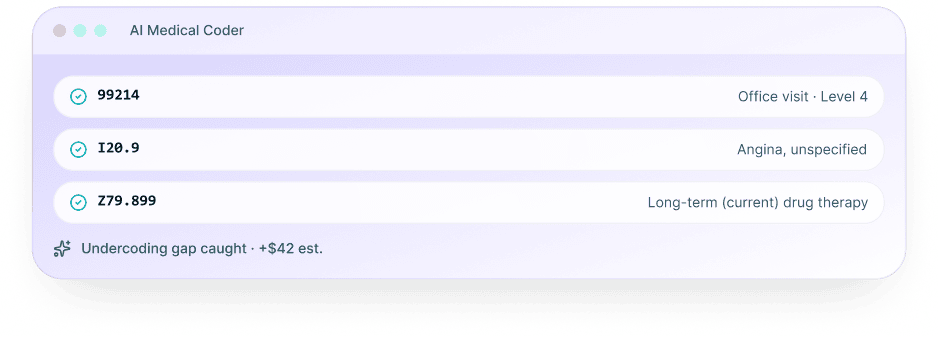
AI Medical Coder
Before the patient leaves the building, AI Medical Coder has already translated the documented encounter into structured, compliant codes, catching undercoding and compliance gaps before the claim is even built.
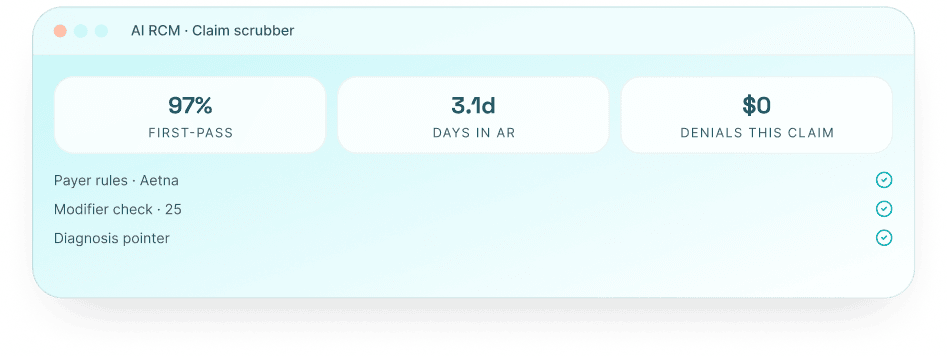

Before the claim goes out
AI RCM and AI Medical Billing
AI RCM reviews the claim for missing data, invalid codes, and payer-specific issues before submission. AI Medical Billing knows which claims are likely to be denied based on how that specific payer has behaved historically, and adjusts before the claim leaves the building rather than reacting after a denial comes back.

After the visit
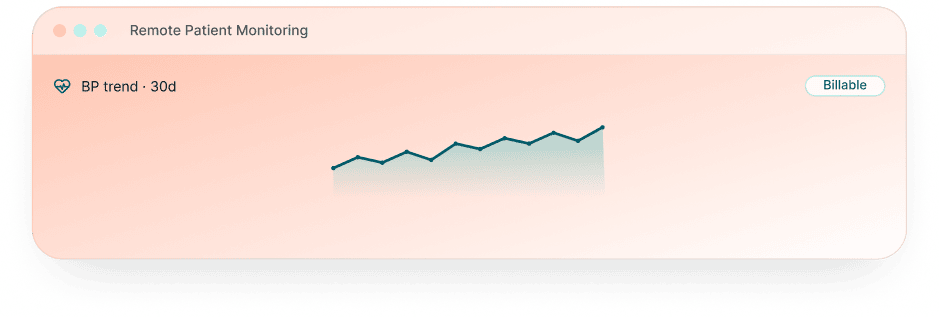
Digital Health and Remote Patient
Monitoring
For chronic care patients, Remote Patient Monitoring keeps collecting data between visits, feeding it back into the same chart, and creating a billable, ongoing care relationship instead of a once-a-year checkup.

At the practice level
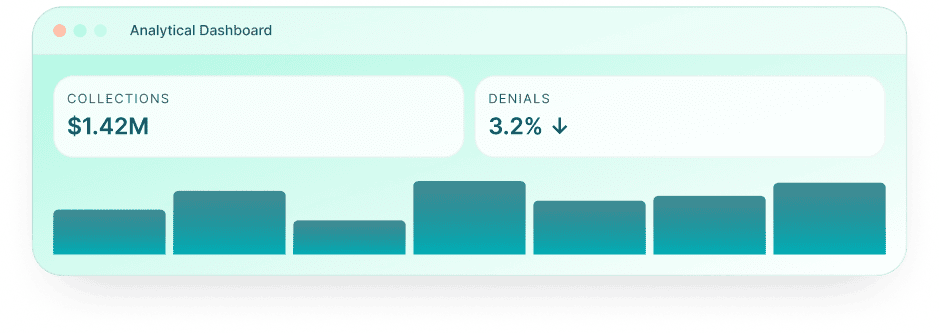
Analytical Dashboard
None of the above is visible without a way to see it. The
Analytical Dashboard shows denial trends, collection rates, and operational performance in real time, pulled from the same data every other product just touched, not a separate reporting tool reading a different database.

When ordering labs / viewing results
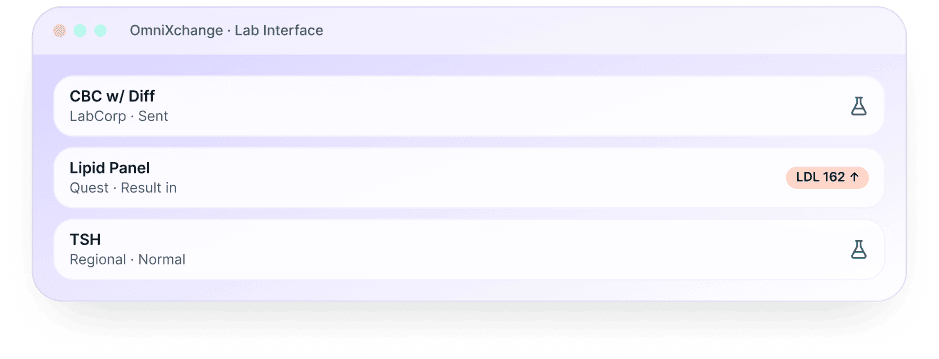
OmniXchange Lab Interface
Lab orders are placed directly from within the patient chart in the OmniMD EHR. OmniXchange automatically transmits the order electronically via HL7 to the chosen lab (LabCorp, Quest, or regional labs), tracks status, and returns structured results straight into the patient’s chart with abnormal values flagged and the provider notified. This eliminates faxing, manual entry, and delays.


Compliance
& Interoperability

HIPAA-compliant processing at every stage, from AI charting audio to RPM device data

ONC-certified, FHIR 4.0.1 standard, so records travel to labs, pharmacies, and specialists outside the platform

MIPS-ready reporting across all four QPP categories, tracked from the same dashboard
What This Costs, and
What It Doesn’t Cost You Later

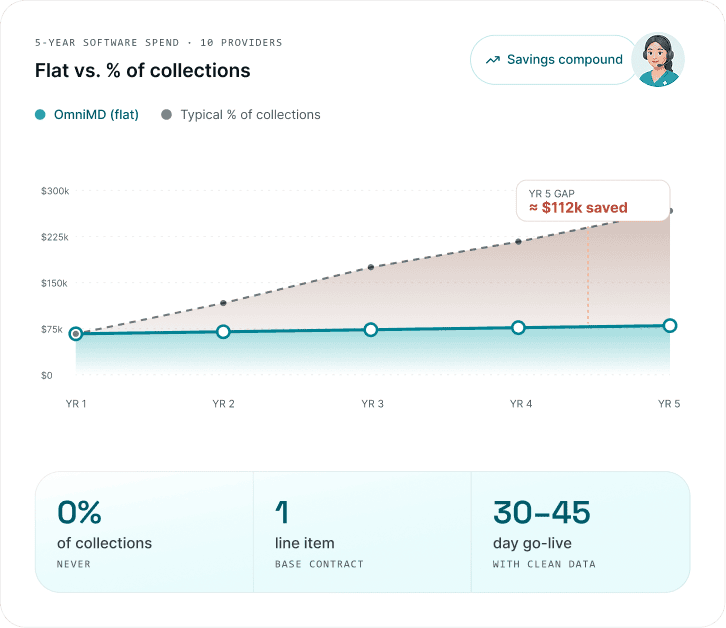
Flat, per-provider pricing. It does not rise as a percentage when your collections do.

RCM, AI charting, and practice management included in the base contract, not billed as separate add-on invoices after signing.

Implementation in 30 to 45 days for practices with clean historical data, with a dedicated specialist managing migration and training.
Ask This of Any Vendor You’re Considering
| Criterion | Question to ask |

|
|---|---|---|
| Fee structure | Flat per provider, or % of collections? | Flat, per provider |
| Data model | One record, or systems bridged by API? | Single record, native |
| AI charting maturity | Generally available now, or future GA date? | Live now, 20+ specialties |
| RCM scope | Included, or invoiced separately? | Included |
| Go-live | Documented timeline for my size? | 30–45 days |
Why Most ‘AI-Powered EHR’
Claims Are Still Unproven
What’s marketed as ‘AI-powered EHR’ is often just a third-party scribe added afterward, not a system designed to feed AI output directly into coding and billing. OmniMD’s AI charting is native to the platform, available now across 20+ specialties, and has been in production long enough to deliver audited before-and-after results.
Proven Results from OmniMD EHR